Why Scar Tissue Causes Pain After Surgery and How We Treat It
CURE Physical Therapy, PLLC • August 5, 2026
Undergoing a surgical procedure is often a necessary step toward reclaiming your health and mobility. However, many patients find that weeks or months down the line, a new type of discomfort sets in around the incision site. At CURE Physical Therapy, PLLC, we frequently meet individuals who are confused by this persistent tightness and localized discomfort. Often, the underlying culprit behind this post-operative stiffness is the dense formation of internal scar tissue treatment after surgery.
While biological remodeling is a natural part of the healing cycle, improper layout of these cellular fibers can bind underlying muscles and nerves. Left unaddressed, this binding restricts your natural range of motion and creates a cycle of chronic discomfort. Understanding how this structural matrix behaves allows you to move past frustration and find lasting relief. Through targeted clinical solutions, it is entirely possible to restore elasticity and help you move comfortably again.
In This Article:
- How Abnormal Fiber Alignment Restricts Joint Mobility
- The Cellular Restructuring Process and Recovery Milestones
- Why Aggressive Stretching and Self Massage Backfire
- Targeted Scar Tissue Treatment After Surgery
How Abnormal Fiber Alignment Restricts Joint Mobility
When your body repairs an incision, it lays down collagen fibers quickly to close the wound. Unlike the organized, parallel pattern of healthy baseline tissue, this replacement framework is deposited in a chaotic, cross-hatched arrangement. This dense grid can glue together distinct layers of fascia, muscle, and tendons, preventing them from sliding over one another smoothly. Our clinical team works to systematically realign these fibers using specific mechanical pressure. By introducing guided directional stress, we can coax the body into restructuring these disorganized bonds into a more pliable format.
→ From a professional standpoint: Soft tissue requires precise, directional stress to shift from a restrictive grid into an organized, flexible pattern.
The Cellular Restructuring Process and Recovery Milestones
Cellular remodeling is not an overnight event but rather a physiological progression that spans several months. During the early weeks post-operation, the newly formed matrix is highly reactive and responds well to gentle, controlled guidance. As time passes, the cellular matrix matures, becoming denser and more resistant to modification if left unguided.
How long does it take to break up scar tissue after surgery?
The timeline for remodeling unyielding collagen fibers depends heavily on the specific surgical site and how long the restriction has been present. Generally, a targeted clinical program can yield noticeable changes in tissue pliability within four to six weeks of consistent, specialized care. However, complete biological maturation of a surgical wound can take up to a full year, meaning gentle intervention remains beneficial even months after your initial procedure. Early movement prevents these fibers from locking into a permanently restrictive arrangement.
→ From a professional standpoint: Early clinical intervention utilizing pre and post surgical rehab safely accelerates the timeline for achieving optimal joint flexibility.
Experiencing a smooth and supportive recovery process is a vital component of successful post-operative rehabilitation. It is a pattern the team at CURE Physical Therapy, PLLC hears regularly from individuals navigating their recovery journeys in Dearborn.
► Client Experience: I recently had the pleasure of working with the team at Cure Physical Therapy, their knowledgeable and compassionate therapist helped me recover. I appreciated the personalized attention and care I received from Madison.
Receiving this type of focused, individual attention ensures that your recovery milestones are met safely and effectively.
Why Aggressive Stretching and Self Massage Backfire
When individuals experience a sensation of deep tightness, their natural instinct is often to pull against the restriction with maximum force or apply heavy, blunt pressure directly to the area. This unguided approach frequently creates micro-tears in the healing tissue, which triggers an acute inflammatory response. The body answers this perceived trauma by sending even more collagen to the site, ultimately doubling down on the very restriction you tried to resolve. Aggressive self-massage can also damage superficial nerves that are already sensitized from the surgical operation. Working with a professional ensures that the applied force remains below the threshold of tissue injury while still achieving therapeutic results.
→ From a professional standpoint: Overworking a healing surgical site at home triggers a defensive inflammatory cycle that results in denser, more painful restrictions.
Targeted Scar Tissue Treatment After Surgery
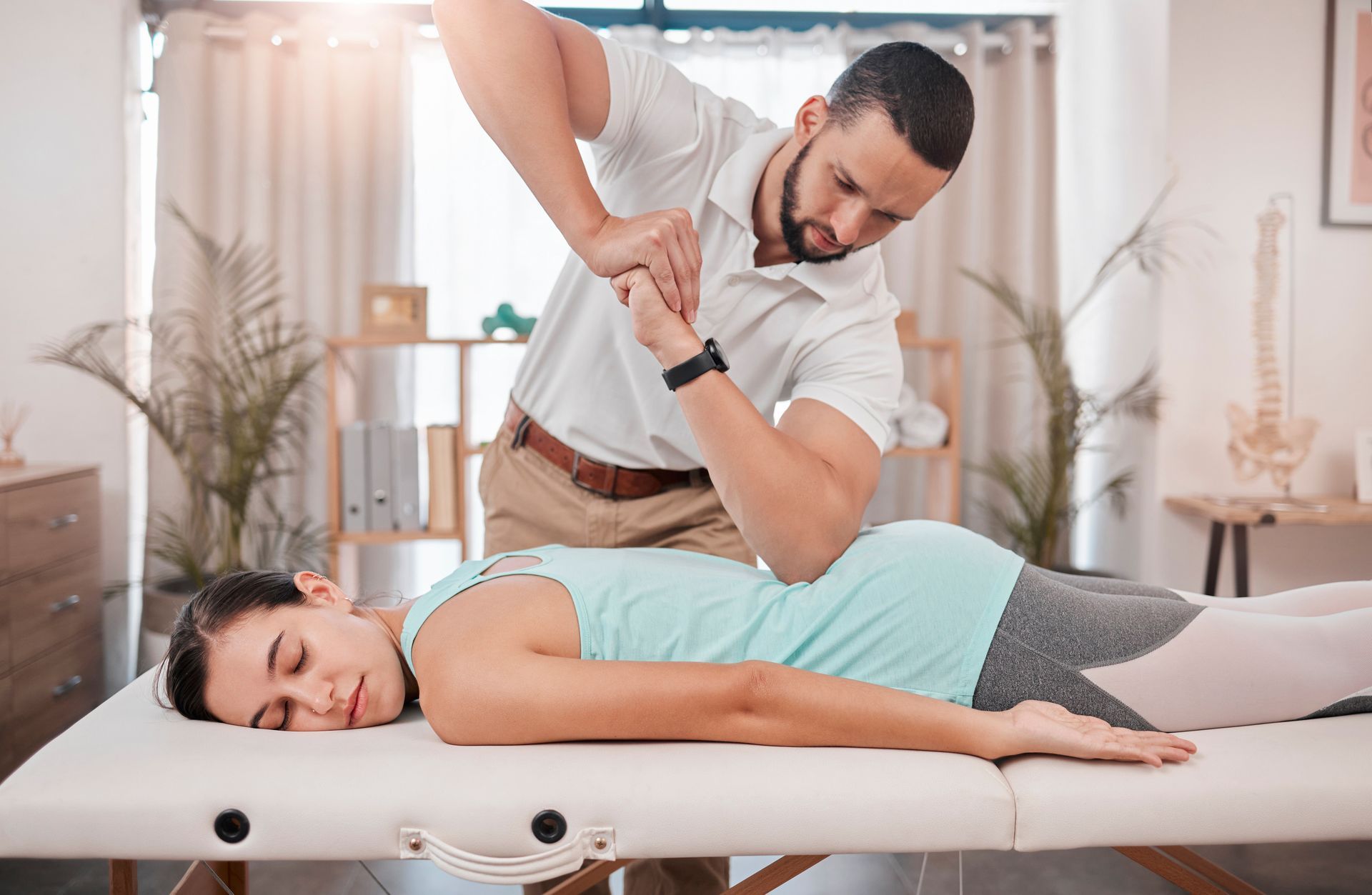
Resolving complex structural restrictions requires a nuanced combination of clinical modalities tailored to your unique healing stage. In our Dearborn clinic, located conveniently on West Warren Avenue, we utilize advanced manual therapy methods to gently release myofascial restrictions without causing secondary inflammation. These hands-on maneuvers are carefully paired with specific therapeutic exercises designed to elongate the tissue while it is in a receptive state. By integrating these specialized methods with targeted orthopedic pain treatment, we help patients overcome the biological roadblocks that slow down their recovery. This structured path ensures you regain full functional use of your limbs without relying on temporary fixes.
→ From a professional standpoint: Combining skilled hands-on manipulation with active movement patterns yields the most reliable and long-lasting improvements in functional mobility.
Take the Next Step Toward Your Post-Surgical Recovery
Moving past the limitations of post-operative stiffness requires an approach that respects your body's natural healing timeline. If you are noticing persistent tightness or localized discomfort that is holding you back from your daily routine, specialized clinical support can make a profound difference. The dedicated professionals at our Dearborn facility are ready to help you navigate your recovery with precision and genuine care. Contact us today to schedule your personalized evaluation and begin restoring your comfortable, natural movement.
Share This Blog